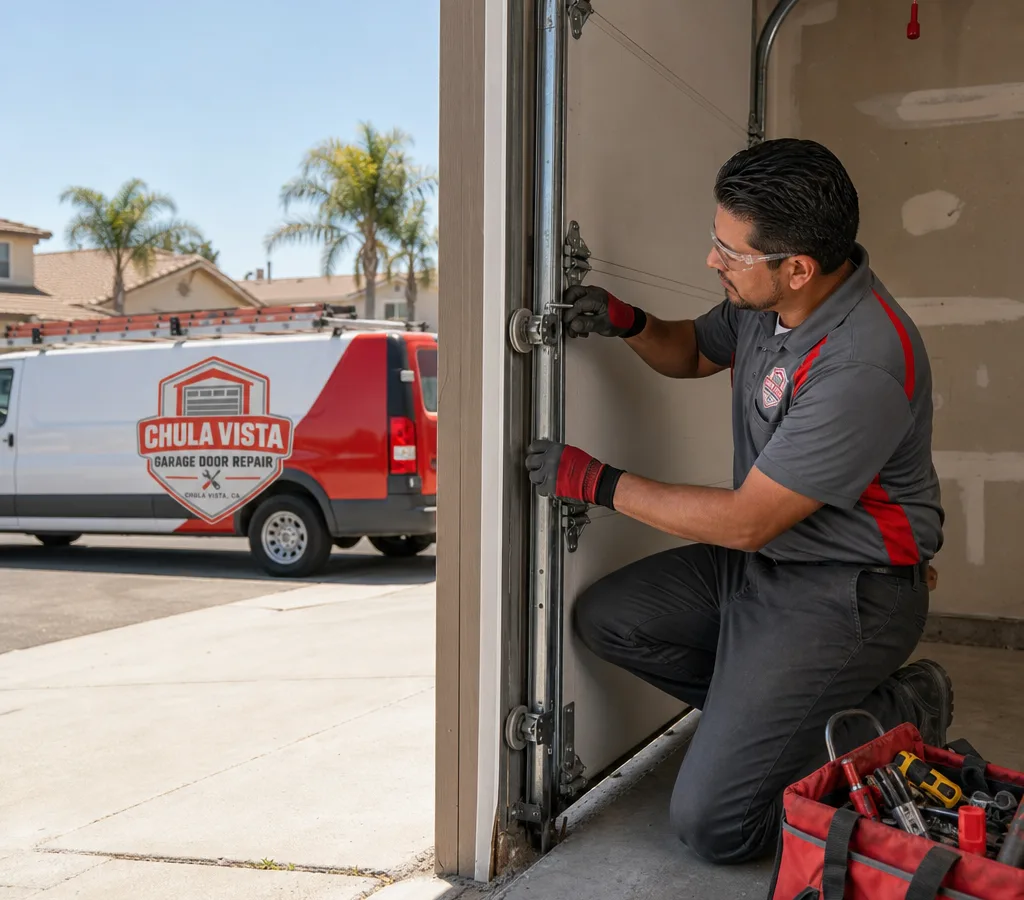
Garage door roller repair usually starts with a simple symptom: the door shakes, binds, gets loud, drifts crooked, or pops out of the track. Rollers ride inside the metal tracks on each side, and the whole system only works when the tracks are aligned, the rollers spin freely, and the lift cables stay seated on the drums.
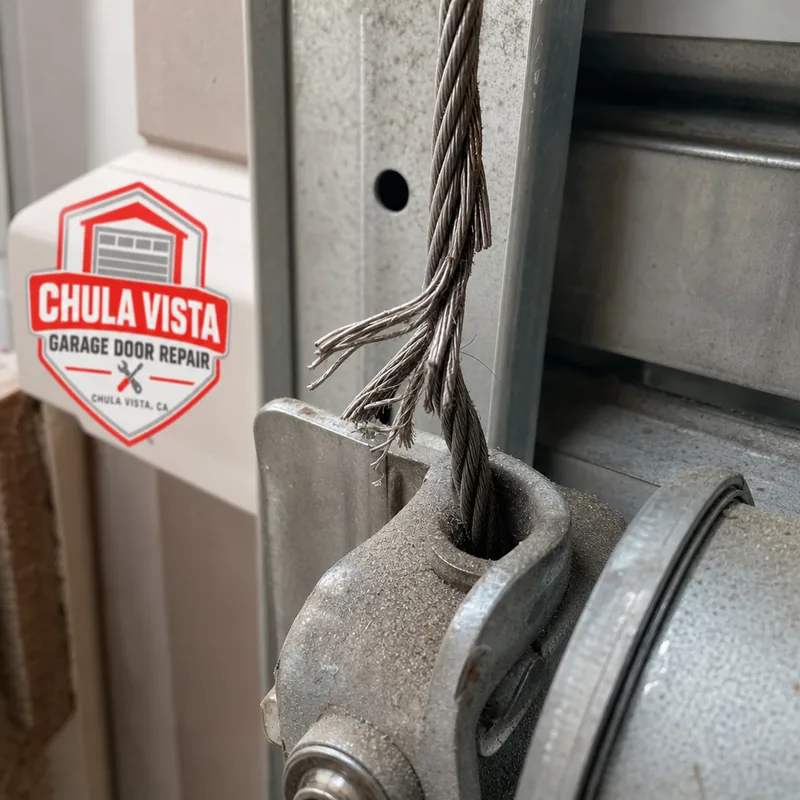
In Chula Vista, many homes have garages that get a lot of use and a lot of temperature swing. Heat, vibration, and ordinary wear can loosen track brackets, flatten roller bearings, and turn minor misalignment into a door that wants to climb the track or rub hard on one side. Once that happens, a small roller issue can become a garage door off track repair call, and a cable that slips or frays can become a broken garage door cable problem.
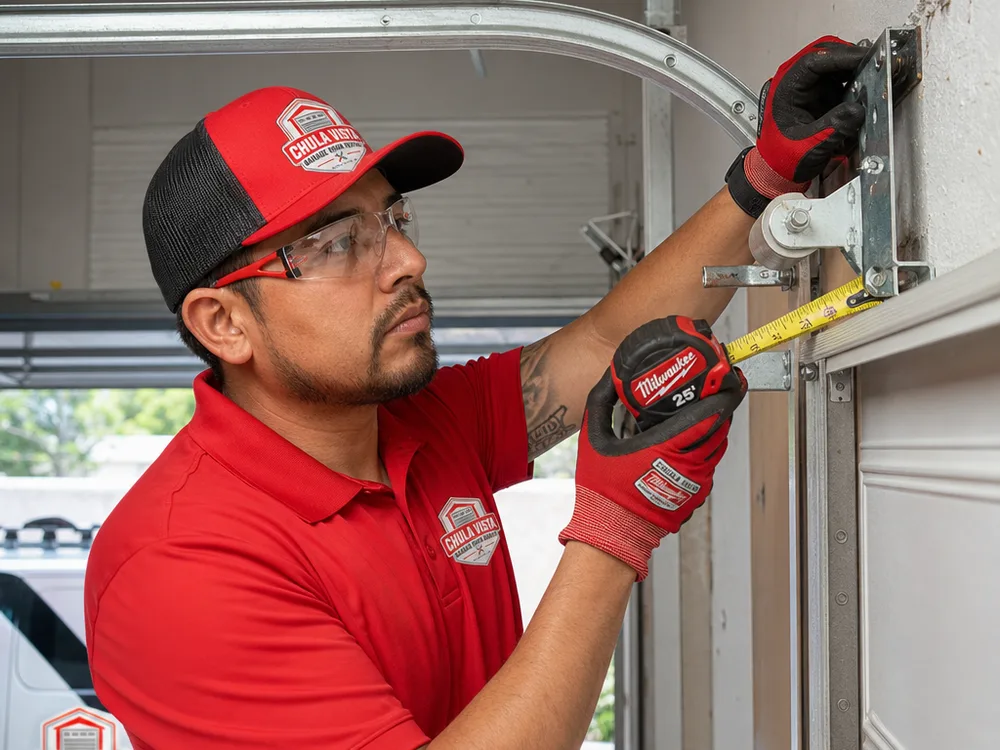
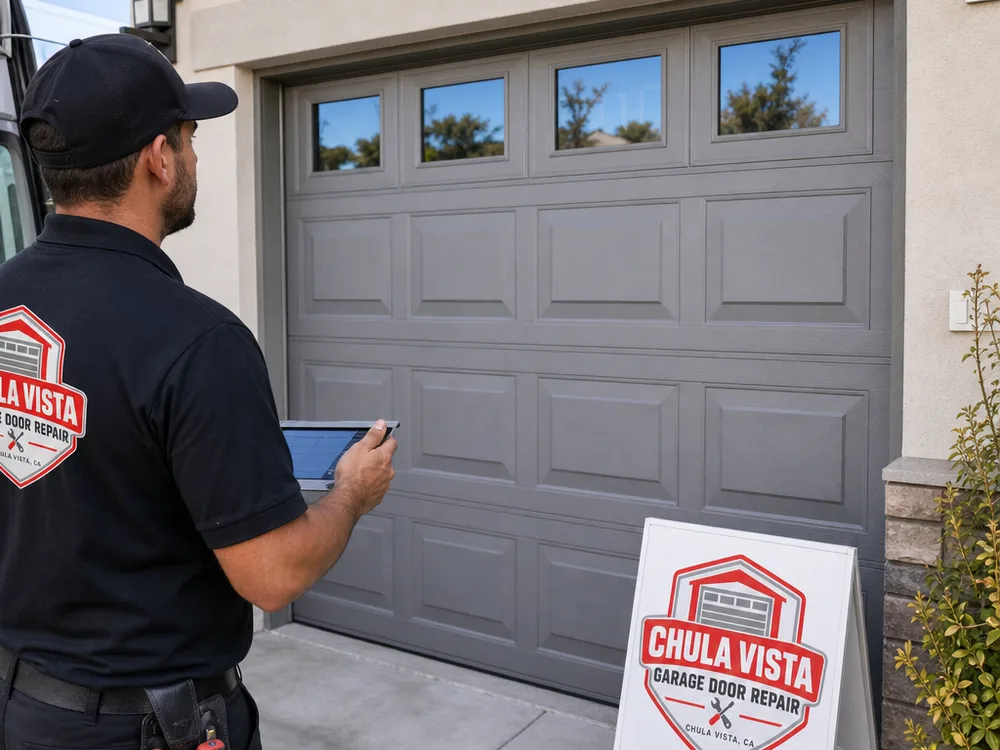
The contractor you're connected with will typically begin by confirming three things:
- Is the door square in the opening? A door that is racked (tilted) can point to a track alignment issue, an uneven cable wrap on the drums, or a bent section that is forcing the rollers.
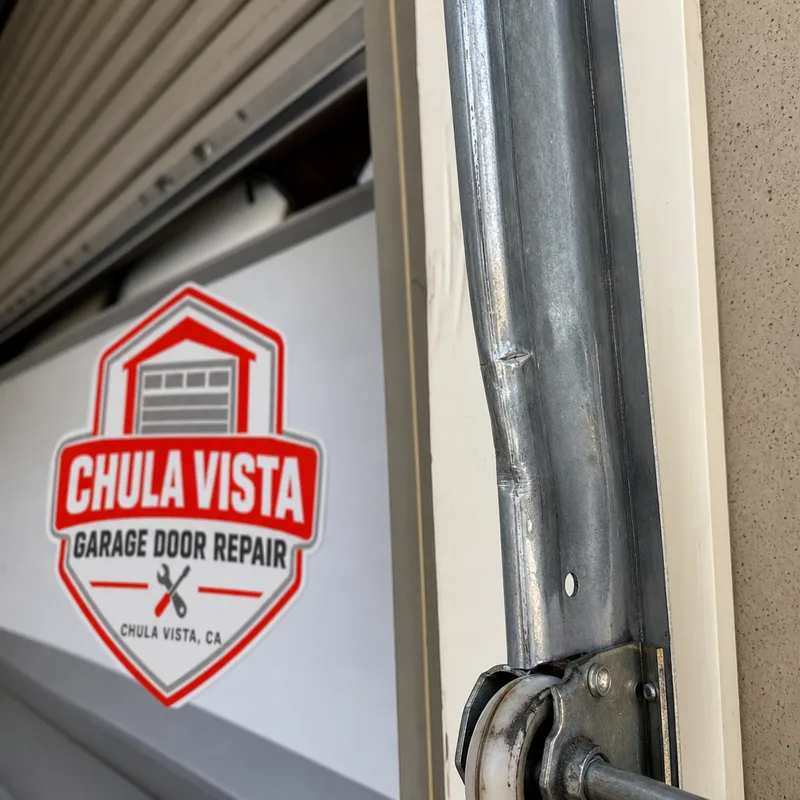
- Are the tracks true and secure? Tracks are bolted to wall and ceiling hangers. If a bracket is loose or a hanger is bent, the track can shift just enough to pinch rollers.
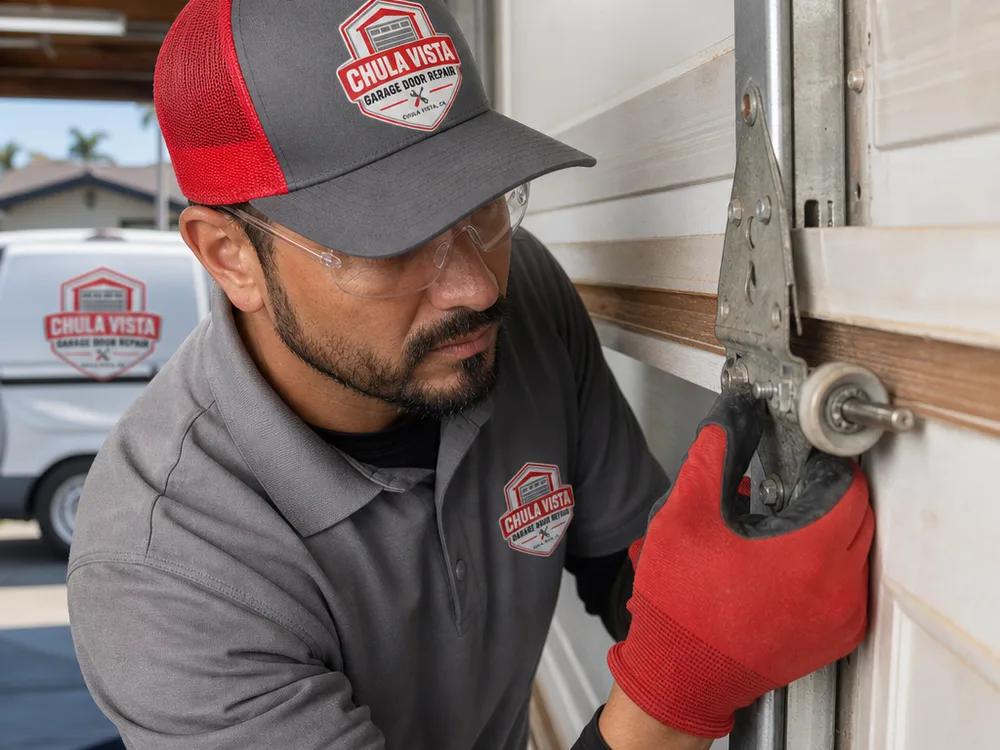
- Are rollers worn, cracked, or seized? Nylon rollers can chip and steel rollers can bind when bearings wear out. Either can make the door chatter and stress hinges and track.
If you're looking for general garage door repair for other problems like openers, panels, or springs, that's a different conversation. This page focuses on roller, track, and cable related trouble that makes a door run rough or come off its path.